
Repairs That Restore Foundation Protection
Downspout Repair in Duluth for systems showing separation, blockages, or misdirected drainage flow
Downspouts separate from gutter outlets after years of ice weight and wind stress, leaving water to pour down exterior walls instead of reaching ground-level dispersal points. Fast Lane Seamless Gutters repairs damaged, blocked, or improperly draining downspouts so that runoff moves away from your foundation as intended. When seams pull apart or outlets clog with debris, the drainage protection your gutter system was installed to provide disappears, and water begins pooling in the exact locations that cause long-term property damage.
Common downspout problems include sections that have disconnected at joints, outlets blocked by shingle granules or organic material, crushed or dented tubes that restrict flow, and extensions that have shifted to discharge water against the foundation instead of away from it. Seasonal weather in northern Minnesota accelerates these issues—freeze-thaw cycles stress fasteners, heavy snow loads bend mounting brackets, and spring runoff reveals blockages that built up gradually over previous months.
Request a professional inspection to identify drainage failures before they compromise your foundation or create erosion patterns.
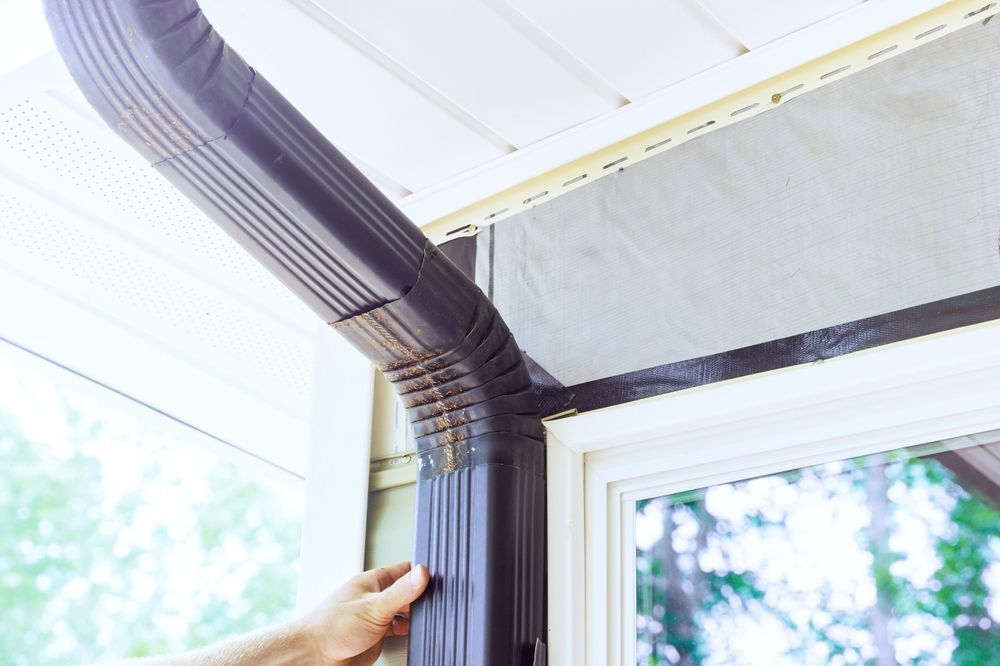
How Downspout Repairs Address Drainage Failures
Repairs begin with clearing blockages that prevent water from exiting through the downspout, then reattaching separated sections using fasteners designed to withstand expansion and contraction during temperature swings. Damaged sections are replaced rather than patched if the material has been crushed or corroded to the point where flow capacity is reduced, and outlets are repositioned if the original placement directs water into problem areas.
Once repairs are complete, you'll see water exit the system at ground level and flow away from the building, rather than sheeting down siding or pooling near foundation walls. The soil along your foundation stays drier, basement moisture problems diminish, and the erosion channels that formed during periods of misdirected drainage stop expanding. Landscaping near downspout outlets no longer shows signs of washout, and ice no longer accumulates on walkways from refrozen runoff.
Cost-effective repairs extend the functional life of your drainage system without requiring full replacements, particularly when the damage is limited to fasteners, joints, or individual sections rather than the entire downspout assembly. Addressing these issues promptly prevents the more expensive foundation and grading work that becomes necessary once water infiltration has caused structural settling or basement seepage.
Common Questions About Downspout Repair
Homeowners often wait until drainage problems become visible before considering repairs, but early intervention prevents the escalation of minor issues into major property damage.
What causes downspouts to separate from gutters?
Fasteners loosen as metal expands and contracts with temperature changes, and the weight of ice buildup during Duluth winters stresses connections until seams pull apart or mounting brackets detach from the wall.
How do blockages develop inside downspouts?
Shingle granules, leaf fragments, and seed casings wash into gutters and settle at downspout inlets, gradually building up until water can no longer pass through, which forces overflow back into the gutter and eventually over the edges.
Can a single damaged downspout affect the entire gutter system?
A blocked or disconnected downspout prevents water from exiting, causing the gutter to fill beyond capacity and overflow at seams, which leads to fascia rot, soffit damage, and foundation exposure even if the rest of the system is intact.
When should repairs be done instead of replacements?
Repairs are effective when damage is isolated to specific sections or joints, but if multiple downspouts show corrosion, the mounting system has failed throughout, or the sizing no longer matches your roof's drainage load, replacement becomes the more practical solution.
Why do downspout extensions need seasonal adjustments?
Extensions that work well during summer can discharge water onto frozen ground in winter, where it refreezes into ice sheets near entryways, so repositioning them before cold weather prevents slip hazards and ensures meltwater reaches proper drainage areas.
Fast Lane Seamless Gutters inspects downspout connections, fasteners, and drainage paths to identify what's causing performance failures and recommend repairs that restore efficient water movement. Arrange an evaluation to address drainage concerns before seasonal runoff creates more extensive damage.