
Drainage That Actually Prevents Flooding
Gutter Cleaning in Duluth for removing debris buildup that causes overflows and water backup into roof edges
Leaves, pine needles, and shingle grit accumulate in gutter channels and block the flow path to downspouts, which forces water to spill over the edges instead of draining properly. When gutters overflow, concentrated water streams erode soil directly beside foundations, saturate basement walls, and create ice dams in winter as trapped moisture refreezes along roof edges. Fast Lane Seamless Gutters removes this debris by hand and flushes the system to verify downspouts are clear, restoring the flow capacity needed to handle Duluth's heavy spring runoff and fall rainstorms when mature trees shed significant leaf volume.
Cleaning involves removing all organic material from the channels, checking that downspouts aren't blocked by compacted debris or ice, and inspecting for any damage that occurred since the last service. Properties with mature oaks, maples, or conifers require more frequent cleaning since these species produce dense leaf litter and needle drop that compacts into solid masses when wet.
Schedule seasonal cleaning to maintain consistent drainage before heavy weather arrives.
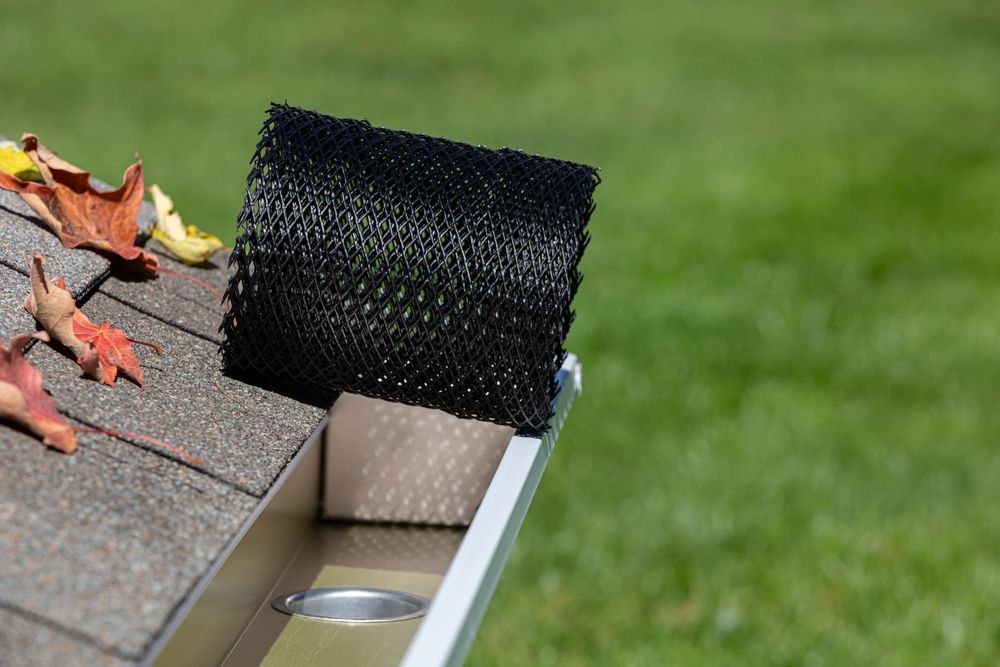
What Changes After Gutter Cleaning Completes
Clean gutters handle rainfall without overflow, which means water no longer pours over edges and splashes against siding or windows during storms. The restored flow capacity allows the system to move water through downspouts as designed, preventing the standing water that freezes into ice blockages when temperatures drop overnight.
You'll notice soil around your foundation stays intact instead of washing away, and basement walls remain dry because water discharges away from the structure rather than pooling against foundation perimeters. During winter, you'll see fewer icicles hanging from gutter edges since water drains before it can freeze, and roof edges stay clear of the ice dams that form when backed-up water refreezes under shingles and forces moisture into attic spaces.
Regular cleaning extends gutter lifespan by preventing the rust and corrosion that develop when standing water sits in channels for extended periods. It also allows early detection of small issues like loose hangers or minor leaks before they progress into failures requiring repair work.
What Property Owners Usually Ask
Cleaning frequency and timing depend largely on tree coverage and seasonal debris patterns specific to your property's location.
How often do gutters need cleaning in Duluth?
Most homes require service twice annually—once after leaves drop in fall and again in late spring after seed pods and tree flowers finish shedding—though properties surrounded by conifers may need additional cleanings since pine needles drop continuously throughout the year.
What happens if gutters aren't cleaned regularly?
Debris compacts into solid masses that block water flow completely, causing overflow that erodes landscaping, saturates foundation walls, and creates ice dams in winter when trapped water freezes and expands under roof shingles.
Can clogged downspouts damage the foundation?
Yes, when downspouts are blocked, water backs up in gutters and overflows directly beside the foundation instead of discharging at safe distances, which leads to soil saturation and basement seepage over time.
What gets removed during a typical cleaning?
Leaves, twigs, shingle granules, seed pods, pine needles, and decomposed organic material that has turned into sludge all get cleared from channels and downspouts to restore full flow capacity.
Is gutter cleaning safe to do yourself?
While possible, ladder work on two-story homes presents fall risks, and accessing gutters over landscaping or uneven ground increases danger—professional service includes proper equipment and experience working at height safely.
Fast Lane Seamless Gutters provides cleaning services timed to Duluth's seasonal patterns and inspects your system during each visit to identify any developing issues. Call (218) 591-1961 to arrange service before debris accumulation leads to overflow problems or ice dam formation this winter.